Sheep Red Colour
I recently saw a post that stated sheep can't see the color red. They can see blue, yellow, cyan, and greenish hues, and clearly identify objects up to 20 feet away. Their eyesight is at its best when their heads are down and grazing, as their excellent peripheral vision (320-340 degrees) gives them a keen ability to see predators sneaking up on them. Their "blind spot," however, is.
Sheep fleeces come in many different natural colours and markings, some breed specific and others very individual. Shetland sheep for example come in eleven main colours, with many shades in between, and more than 30 different kinds of markings. So if you have only a few sheep, or most of them have special markings, you [].
The California Red is a breed of domestic sheep developed in the United States. [1][2] It is so named because its lambs are born all red, and retain this color in their faces and limbs into adulthood. [3] In the early 1970s, Dr. Glenn Spurlock of Davis, California crossed Tunis sheep and Barbados Blackbelly sheep, and the California Red is consequently a dual.
There are at least six primary sheep colors, from brown to red to cream to gray. Some sheep have multiple colors (a white body and black head, for example).
Memories I've Forgotten | Red Sheep, Animals Wild, Animals

Why Raise California Red Sheep? Docile and easy to manage, this breed of sheep is known to be very gentle and are an excellent choice if your children are interested in raising sheep. The California Red is also an exceptional producer of milk. Appearance At birth, their lambs appear to be red in color, but the color changes as they get older.
Sheep can come in a number of different shades of various colors including white, black, red, cream, gray, and brown. They can be solid or have an interesting pattern of colors on their coats of wool or hair. It really all depends on their breed, bloodline, and genetics. Genetics play the main role in determining what color a sheep will be and, over the years, sheep breeders have finely tuned.
There are at least six primary sheep colors, from brown to red to cream to gray. Some sheep have multiple colors (a white body and black head, for example).
Fiber tips retain the birth color, as the new wool growth becomes paler in color until the process is complete, usually after the 6th to 8th month of age. Please note, there is a difference between this form of gray and the age.
A Red Sheep With A Lot Of Red Hair Is Standing In A Crowd. | Premium AI ...

Sheep can come in a number of different shades of various colors including white, black, red, cream, gray, and brown. They can be solid or have an interesting pattern of colors on their coats of wool or hair. It really all depends on their breed, bloodline, and genetics. Genetics play the main role in determining what color a sheep will be and, over the years, sheep breeders have finely tuned.
Research indicates sheep primarily distinguish colors within the blue and green light spectrum. They can differentiate various shades of blue, green, and perceive yellows. Their visual system is optimized for these wavelengths, allowing discernment of subtle differences. Conversely, sheep have difficulty distinguishing between red and green colors.
Fiber tips retain the birth color, as the new wool growth becomes paler in color until the process is complete, usually after the 6th to 8th month of age. Please note, there is a difference between this form of gray and the age.
Why are sheep dyed colors? Why do sheep have patches of color painted on their wool? Farmers "paint" their sheep for identification. Frequently, you'll notice large pastures blanketed in green grass and dotted with sheep. Typically, these pastures are enclosed by stone walls or wire fences and are shared by multiple farmers.
Sheep Turns Red To Impress The Americans In Scottish Land - Small Joys

I recently saw a post that stated sheep can't see the color red. They can see blue, yellow, cyan, and greenish hues, and clearly identify objects up to 20 feet away. Their eyesight is at its best when their heads are down and grazing, as their excellent peripheral vision (320-340 degrees) gives them a keen ability to see predators sneaking up on them. Their "blind spot," however, is.
The California Red is a medium-sized sheep breed that are red in color on their legs and head; their fleece is a beige or oatmeal color.
Fiber tips retain the birth color, as the new wool growth becomes paler in color until the process is complete, usually after the 6th to 8th month of age. Please note, there is a difference between this form of gray and the age.
The California Red is a breed of domestic sheep developed in the United States. [1][2] It is so named because its lambs are born all red, and retain this color in their faces and limbs into adulthood. [3] In the early 1970s, Dr. Glenn Spurlock of Davis, California crossed Tunis sheep and Barbados Blackbelly sheep, and the California Red is consequently a dual.
Red Sheep
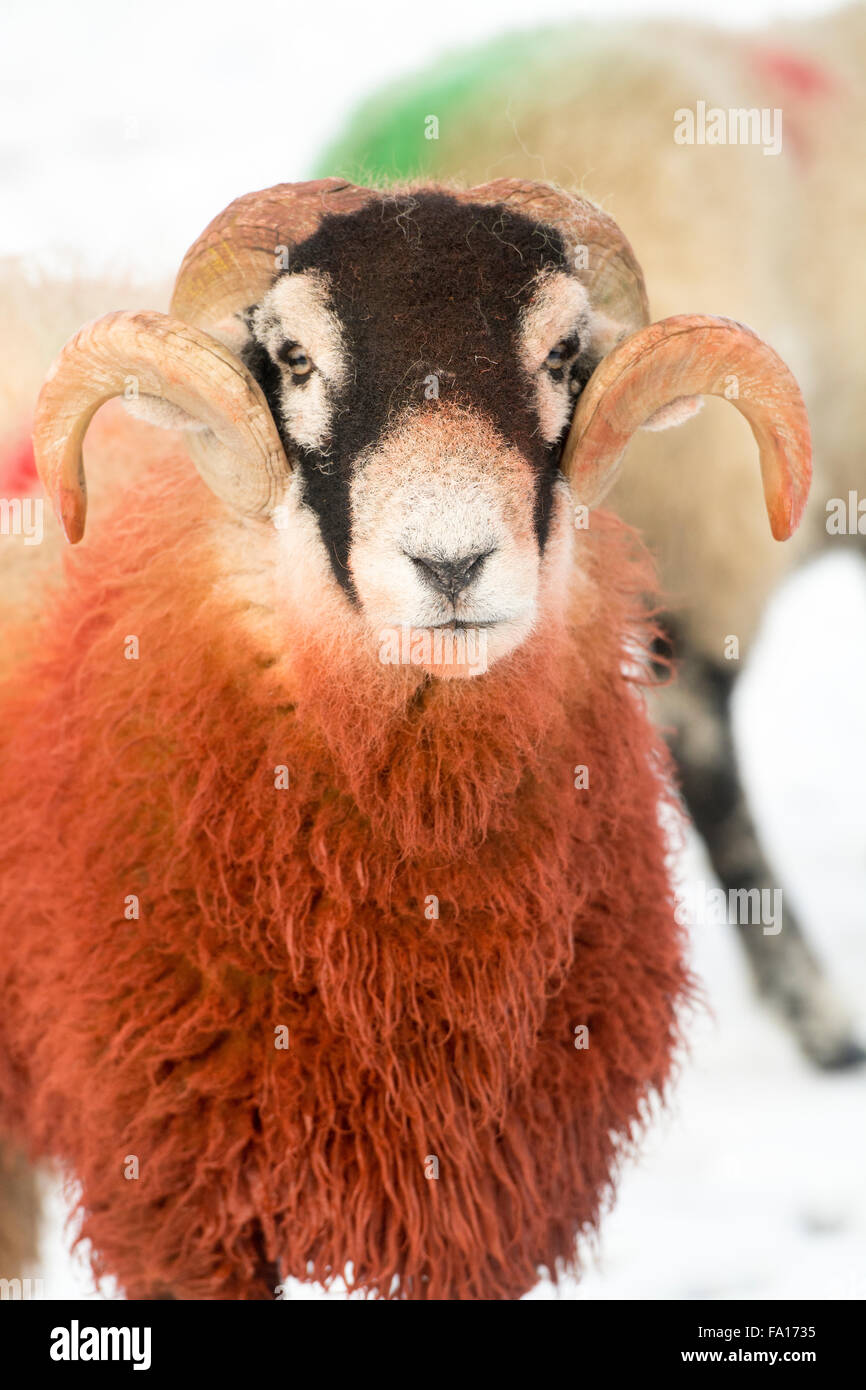
Sheep fleeces come in many different natural colours and markings, some breed specific and others very individual. Shetland sheep for example come in eleven main colours, with many shades in between, and more than 30 different kinds of markings. So if you have only a few sheep, or most of them have special markings, you [].
There are at least six primary sheep colors, from brown to red to cream to gray. Some sheep have multiple colors (a white body and black head, for example).
Why are sheep dyed colors? Why do sheep have patches of color painted on their wool? Farmers "paint" their sheep for identification. Frequently, you'll notice large pastures blanketed in green grass and dotted with sheep. Typically, these pastures are enclosed by stone walls or wire fences and are shared by multiple farmers.
I recently saw a post that stated sheep can't see the color red. They can see blue, yellow, cyan, and greenish hues, and clearly identify objects up to 20 feet away. Their eyesight is at its best when their heads are down and grazing, as their excellent peripheral vision (320-340 degrees) gives them a keen ability to see predators sneaking up on them. Their "blind spot," however, is.
The Red Sheep Of Scotland | Amusing Planet

Sheep can come in a number of different shades of various colors including white, black, red, cream, gray, and brown. They can be solid or have an interesting pattern of colors on their coats of wool or hair. It really all depends on their breed, bloodline, and genetics. Genetics play the main role in determining what color a sheep will be and, over the years, sheep breeders have finely tuned.
There are at least six primary sheep colors, from brown to red to cream to gray. Some sheep have multiple colors (a white body and black head, for example).
The California Red is a breed of domestic sheep developed in the United States. [1][2] It is so named because its lambs are born all red, and retain this color in their faces and limbs into adulthood. [3] In the early 1970s, Dr. Glenn Spurlock of Davis, California crossed Tunis sheep and Barbados Blackbelly sheep, and the California Red is consequently a dual.
Fiber tips retain the birth color, as the new wool growth becomes paler in color until the process is complete, usually after the 6th to 8th month of age. Please note, there is a difference between this form of gray and the age.
[6 Pictures] Scotland's Red Sheep | Red Sheep, Animals Beautiful, Sheep ...
![[6 Pictures] Scotland's Red Sheep | Red sheep, Animals beautiful, Sheep ...](https://i.pinimg.com/originals/98/b9/93/98b99389a6dabf3b49846178c8c07d4f.jpg)
Sheep fleeces come in many different natural colours and markings, some breed specific and others very individual. Shetland sheep for example come in eleven main colours, with many shades in between, and more than 30 different kinds of markings. So if you have only a few sheep, or most of them have special markings, you [].
Fiber tips retain the birth color, as the new wool growth becomes paler in color until the process is complete, usually after the 6th to 8th month of age. Please note, there is a difference between this form of gray and the age.
The California Red is a medium-sized sheep breed that are red in color on their legs and head; their fleece is a beige or oatmeal color.
Why are sheep dyed colors? Why do sheep have patches of color painted on their wool? Farmers "paint" their sheep for identification. Frequently, you'll notice large pastures blanketed in green grass and dotted with sheep. Typically, these pastures are enclosed by stone walls or wire fences and are shared by multiple farmers.
Cal Red - So Regal! You Have To Love Redheaded Sheep!! | Red Sheep ...

The California Red is a breed of domestic sheep developed in the United States. [1][2] It is so named because its lambs are born all red, and retain this color in their faces and limbs into adulthood. [3] In the early 1970s, Dr. Glenn Spurlock of Davis, California crossed Tunis sheep and Barbados Blackbelly sheep, and the California Red is consequently a dual.
Why Raise California Red Sheep? Docile and easy to manage, this breed of sheep is known to be very gentle and are an excellent choice if your children are interested in raising sheep. The California Red is also an exceptional producer of milk. Appearance At birth, their lambs appear to be red in color, but the color changes as they get older.
Why are sheep dyed colors? Why do sheep have patches of color painted on their wool? Farmers "paint" their sheep for identification. Frequently, you'll notice large pastures blanketed in green grass and dotted with sheep. Typically, these pastures are enclosed by stone walls or wire fences and are shared by multiple farmers.
The California Red is a medium-sized sheep breed that are red in color on their legs and head; their fleece is a beige or oatmeal color.
California Red Sheep | Heidi Fleece | Red Sheep, Sheep, Farm Animals

The California Red is a breed of domestic sheep developed in the United States. [1][2] It is so named because its lambs are born all red, and retain this color in their faces and limbs into adulthood. [3] In the early 1970s, Dr. Glenn Spurlock of Davis, California crossed Tunis sheep and Barbados Blackbelly sheep, and the California Red is consequently a dual.
There are at least six primary sheep colors, from brown to red to cream to gray. Some sheep have multiple colors (a white body and black head, for example).
I recently saw a post that stated sheep can't see the color red. They can see blue, yellow, cyan, and greenish hues, and clearly identify objects up to 20 feet away. Their eyesight is at its best when their heads are down and grazing, as their excellent peripheral vision (320-340 degrees) gives them a keen ability to see predators sneaking up on them. Their "blind spot," however, is.
Sheep can come in a number of different shades of various colors including white, black, red, cream, gray, and brown. They can be solid or have an interesting pattern of colors on their coats of wool or hair. It really all depends on their breed, bloodline, and genetics. Genetics play the main role in determining what color a sheep will be and, over the years, sheep breeders have finely tuned.
Red Sheep - Sheep & Animals Background Wallpapers On Desktop Nexus ...

I recently saw a post that stated sheep can't see the color red. They can see blue, yellow, cyan, and greenish hues, and clearly identify objects up to 20 feet away. Their eyesight is at its best when their heads are down and grazing, as their excellent peripheral vision (320-340 degrees) gives them a keen ability to see predators sneaking up on them. Their "blind spot," however, is.
There are at least six primary sheep colors, from brown to red to cream to gray. Some sheep have multiple colors (a white body and black head, for example).
Why are sheep dyed colors? Why do sheep have patches of color painted on their wool? Farmers "paint" their sheep for identification. Frequently, you'll notice large pastures blanketed in green grass and dotted with sheep. Typically, these pastures are enclosed by stone walls or wire fences and are shared by multiple farmers.
Research indicates sheep primarily distinguish colors within the blue and green light spectrum. They can differentiate various shades of blue, green, and perceive yellows. Their visual system is optimized for these wavelengths, allowing discernment of subtle differences. Conversely, sheep have difficulty distinguishing between red and green colors.
Eye Catcher Hi-res Stock Photography And Images - Alamy
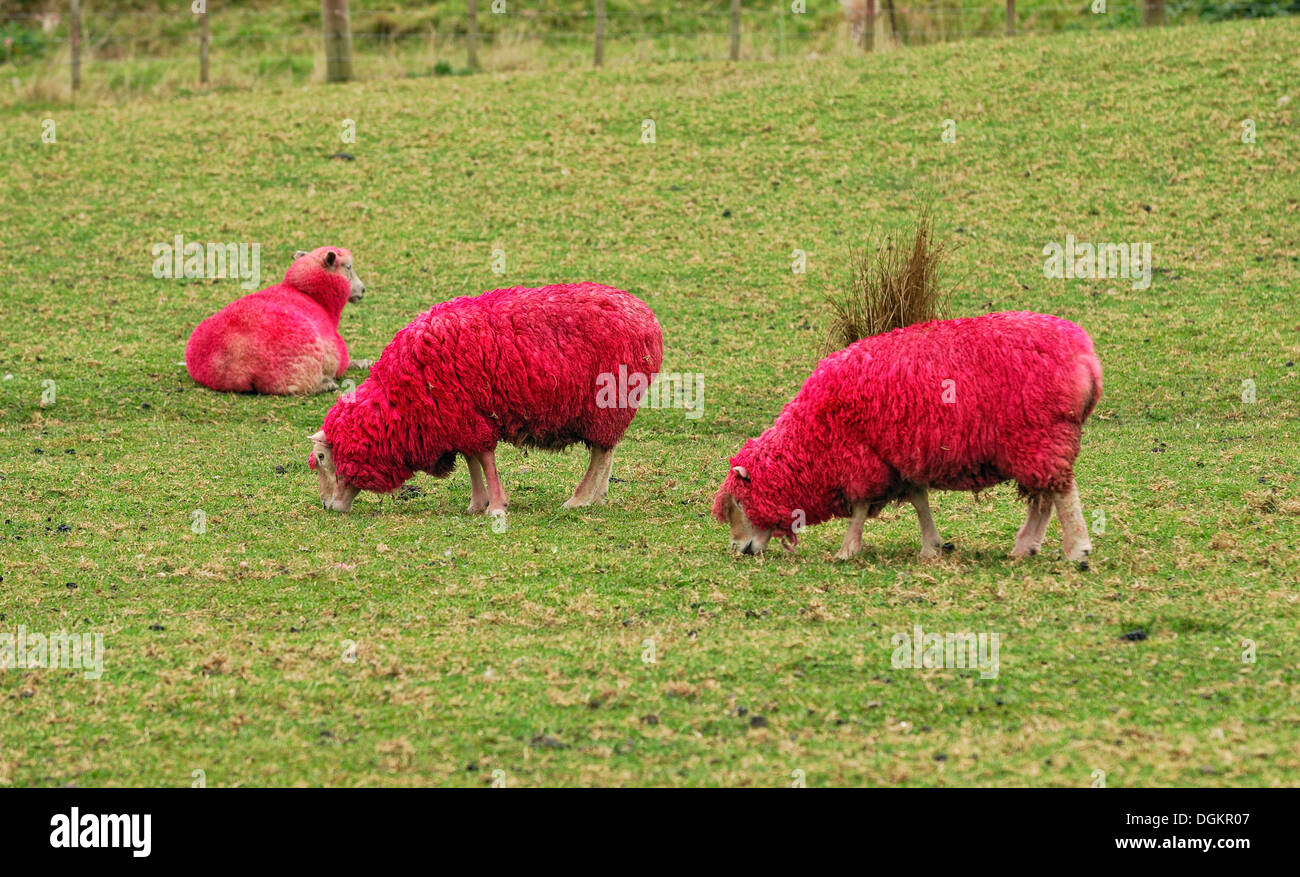
Fiber tips retain the birth color, as the new wool growth becomes paler in color until the process is complete, usually after the 6th to 8th month of age. Please note, there is a difference between this form of gray and the age.
The California Red is a breed of domestic sheep developed in the United States. [1][2] It is so named because its lambs are born all red, and retain this color in their faces and limbs into adulthood. [3] In the early 1970s, Dr. Glenn Spurlock of Davis, California crossed Tunis sheep and Barbados Blackbelly sheep, and the California Red is consequently a dual.
Sheep fleeces come in many different natural colours and markings, some breed specific and others very individual. Shetland sheep for example come in eleven main colours, with many shades in between, and more than 30 different kinds of markings. So if you have only a few sheep, or most of them have special markings, you [].
Why are sheep dyed colors? Why do sheep have patches of color painted on their wool? Farmers "paint" their sheep for identification. Frequently, you'll notice large pastures blanketed in green grass and dotted with sheep. Typically, these pastures are enclosed by stone walls or wire fences and are shared by multiple farmers.
[6 Pictures] Scotland's Red Sheep | Red Sheep, Sheep, Animals
![[6 Pictures] Scotland's Red Sheep | Red sheep, Sheep, Animals](https://i.pinimg.com/736x/e0/1d/c2/e01dc2b46b32962002f6028a11e02531--red-sheep-sheep-wool.jpg)
The California Red is a breed of domestic sheep developed in the United States. [1][2] It is so named because its lambs are born all red, and retain this color in their faces and limbs into adulthood. [3] In the early 1970s, Dr. Glenn Spurlock of Davis, California crossed Tunis sheep and Barbados Blackbelly sheep, and the California Red is consequently a dual.
Why are sheep dyed colors? Why do sheep have patches of color painted on their wool? Farmers "paint" their sheep for identification. Frequently, you'll notice large pastures blanketed in green grass and dotted with sheep. Typically, these pastures are enclosed by stone walls or wire fences and are shared by multiple farmers.
Sheep fleeces come in many different natural colours and markings, some breed specific and others very individual. Shetland sheep for example come in eleven main colours, with many shades in between, and more than 30 different kinds of markings. So if you have only a few sheep, or most of them have special markings, you [].
There are at least six primary sheep colors, from brown to red to cream to gray. Some sheep have multiple colors (a white body and black head, for example).
Related Image | Red Sheep, Sheep, Animals

Why Raise California Red Sheep? Docile and easy to manage, this breed of sheep is known to be very gentle and are an excellent choice if your children are interested in raising sheep. The California Red is also an exceptional producer of milk. Appearance At birth, their lambs appear to be red in color, but the color changes as they get older.
Sheep can come in a number of different shades of various colors including white, black, red, cream, gray, and brown. They can be solid or have an interesting pattern of colors on their coats of wool or hair. It really all depends on their breed, bloodline, and genetics. Genetics play the main role in determining what color a sheep will be and, over the years, sheep breeders have finely tuned.
There are at least six primary sheep colors, from brown to red to cream to gray. Some sheep have multiple colors (a white body and black head, for example).
The California Red is a breed of domestic sheep developed in the United States. [1][2] It is so named because its lambs are born all red, and retain this color in their faces and limbs into adulthood. [3] In the early 1970s, Dr. Glenn Spurlock of Davis, California crossed Tunis sheep and Barbados Blackbelly sheep, and the California Red is consequently a dual.
Red Sheep From Bathgate, Scotland ....... Also Available In Green ...

The California Red is a breed of domestic sheep developed in the United States. [1][2] It is so named because its lambs are born all red, and retain this color in their faces and limbs into adulthood. [3] In the early 1970s, Dr. Glenn Spurlock of Davis, California crossed Tunis sheep and Barbados Blackbelly sheep, and the California Red is consequently a dual.
Sheep fleeces come in many different natural colours and markings, some breed specific and others very individual. Shetland sheep for example come in eleven main colours, with many shades in between, and more than 30 different kinds of markings. So if you have only a few sheep, or most of them have special markings, you [].
Fiber tips retain the birth color, as the new wool growth becomes paler in color until the process is complete, usually after the 6th to 8th month of age. Please note, there is a difference between this form of gray and the age.
Research indicates sheep primarily distinguish colors within the blue and green light spectrum. They can differentiate various shades of blue, green, and perceive yellows. Their visual system is optimized for these wavelengths, allowing discernment of subtle differences. Conversely, sheep have difficulty distinguishing between red and green colors.
Sheep Turns Red To Impress The Americans In Scottish Land - Small Joys
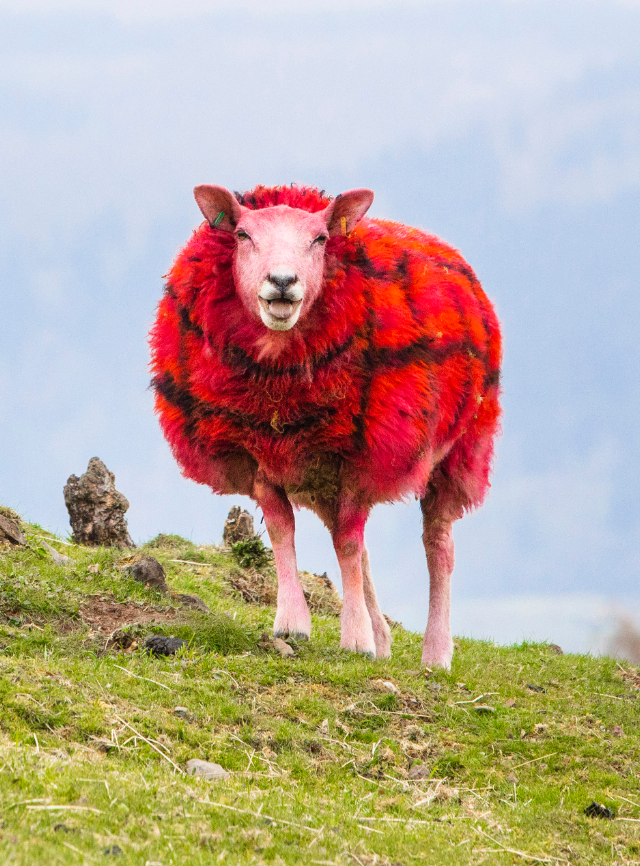
Why Raise California Red Sheep? Docile and easy to manage, this breed of sheep is known to be very gentle and are an excellent choice if your children are interested in raising sheep. The California Red is also an exceptional producer of milk. Appearance At birth, their lambs appear to be red in color, but the color changes as they get older.
Sheep can come in a number of different shades of various colors including white, black, red, cream, gray, and brown. They can be solid or have an interesting pattern of colors on their coats of wool or hair. It really all depends on their breed, bloodline, and genetics. Genetics play the main role in determining what color a sheep will be and, over the years, sheep breeders have finely tuned.
I recently saw a post that stated sheep can't see the color red. They can see blue, yellow, cyan, and greenish hues, and clearly identify objects up to 20 feet away. Their eyesight is at its best when their heads are down and grazing, as their excellent peripheral vision (320-340 degrees) gives them a keen ability to see predators sneaking up on them. Their "blind spot," however, is.
Fiber tips retain the birth color, as the new wool growth becomes paler in color until the process is complete, usually after the 6th to 8th month of age. Please note, there is a difference between this form of gray and the age.
Multicoloured Sheep | Sheep Breeds, Sheep, Red Sheep

Sheep can come in a number of different shades of various colors including white, black, red, cream, gray, and brown. They can be solid or have an interesting pattern of colors on their coats of wool or hair. It really all depends on their breed, bloodline, and genetics. Genetics play the main role in determining what color a sheep will be and, over the years, sheep breeders have finely tuned.
Research indicates sheep primarily distinguish colors within the blue and green light spectrum. They can differentiate various shades of blue, green, and perceive yellows. Their visual system is optimized for these wavelengths, allowing discernment of subtle differences. Conversely, sheep have difficulty distinguishing between red and green colors.
There are at least six primary sheep colors, from brown to red to cream to gray. Some sheep have multiple colors (a white body and black head, for example).
Why Raise California Red Sheep? Docile and easy to manage, this breed of sheep is known to be very gentle and are an excellent choice if your children are interested in raising sheep. The California Red is also an exceptional producer of milk. Appearance At birth, their lambs appear to be red in color, but the color changes as they get older.
Research indicates sheep primarily distinguish colors within the blue and green light spectrum. They can differentiate various shades of blue, green, and perceive yellows. Their visual system is optimized for these wavelengths, allowing discernment of subtle differences. Conversely, sheep have difficulty distinguishing between red and green colors.
Why are sheep dyed colors? Why do sheep have patches of color painted on their wool? Farmers "paint" their sheep for identification. Frequently, you'll notice large pastures blanketed in green grass and dotted with sheep. Typically, these pastures are enclosed by stone walls or wire fences and are shared by multiple farmers.
I recently saw a post that stated sheep can't see the color red. They can see blue, yellow, cyan, and greenish hues, and clearly identify objects up to 20 feet away. Their eyesight is at its best when their heads are down and grazing, as their excellent peripheral vision (320-340 degrees) gives them a keen ability to see predators sneaking up on them. Their "blind spot," however, is.
The California Red is a breed of domestic sheep developed in the United States. [1][2] It is so named because its lambs are born all red, and retain this color in their faces and limbs into adulthood. [3] In the early 1970s, Dr. Glenn Spurlock of Davis, California crossed Tunis sheep and Barbados Blackbelly sheep, and the California Red is consequently a dual.
There are at least six primary sheep colors, from brown to red to cream to gray. Some sheep have multiple colors (a white body and black head, for example).
Why Raise California Red Sheep? Docile and easy to manage, this breed of sheep is known to be very gentle and are an excellent choice if your children are interested in raising sheep. The California Red is also an exceptional producer of milk. Appearance At birth, their lambs appear to be red in color, but the color changes as they get older.
Sheep fleeces come in many different natural colours and markings, some breed specific and others very individual. Shetland sheep for example come in eleven main colours, with many shades in between, and more than 30 different kinds of markings. So if you have only a few sheep, or most of them have special markings, you [].
Sheep can come in a number of different shades of various colors including white, black, red, cream, gray, and brown. They can be solid or have an interesting pattern of colors on their coats of wool or hair. It really all depends on their breed, bloodline, and genetics. Genetics play the main role in determining what color a sheep will be and, over the years, sheep breeders have finely tuned.
Fiber tips retain the birth color, as the new wool growth becomes paler in color until the process is complete, usually after the 6th to 8th month of age. Please note, there is a difference between this form of gray and the age.
The California Red is a medium-sized sheep breed that are red in color on their legs and head; their fleece is a beige or oatmeal color.