Do Eskimo Live In Igloo
Do people still live in igloos? While igloos are no longer the common type of housing used by the Inuit, they remain culturally significant in Arctic communities. Igloos also retain practical value: some hunters and those seeking emergency shelter still use them.
Igloo, temporary winter home or hunting-ground dwelling of Canadian and Greenland Inuit (Eskimos). The term igloo, or iglu, from Eskimo igdlu ("house"), is related to Iglulik, a town, and Iglulirmiut, an Inuit people, both on an island of the same name. The igloo, usually made from blocks of snow.
Are there Eskimos that still live in igloos? While a common myth, Eskimos do not live in igloos. Igloos are used as temporary places during hunting and fishing excursions. Most Eskimos live in traditional houses.
Igloo (iglu in Inuktitut, meaning "house"), is a winter dwelling made of snow. Historically, Inuit across the Arctic lived in igloos before the introduction of modern, European-style homes. While igloos are no longer the common type of housing used by the Inuit, they remain culturally significant in Arctic communities.
An Inuit Child Is Sitting In An Igloo On The Arctic, Gjohaven, Canada | Cultuur, Noordpool, Opwarmen

Do people still live in igloos? While igloos are no longer the common type of housing used by the Inuit, they remain culturally significant in Arctic communities. Igloos also retain practical value: some hunters and those seeking emergency shelter still use them.
Igloo Community of igluit (Illustration from Charles Francis Hall 's Arctic Researches and Life Among the Esquimaux, 1865) An igloo (Inuit languages: iglu, [1] Inuktitut syllabics ᐃᒡᓗ [iɣˈlu]; plural: igluit ᐃᒡᓗᐃᑦ [iɣluˈit]), also known as a snow house or snow hut, is a type of shelter built of suitable snow.
The Inuit people, commonly known as Eskimos, lived in houses made of snow and ice, called igloos. Eskimos in contemporary times live mostly in houses, but igloos are still used during camping trips.
Conclusion In conclusion, while Eskimos no longer exclusively live in igloos, these traditional snow shelters remain culturally significant and practical in the Arctic. Igloos are deeply rooted in Eskimo culture and continue to be celebrated and utilized in various ways.
Inuit Tribe Houses

Igloos are primarily made from blocks of compacted snow and have been used as temporary shelters during hunting trips or during harsh winter months. However, it's essential to understand that not all Eskimo people live in igloos. Many Inuit have transitioned to modern housing due to changes in lifestyle, climate, and socio.
Do people still live in igloos? While igloos are no longer the common type of housing used by the Inuit, they remain culturally significant in Arctic communities. Igloos also retain practical value: some hunters and those seeking emergency shelter still use them.
Most Eskimos Don't Live in Igloos The igloo is the most common symbol identified with Eskimos, yet most Eskimos don't live in what most people think an igloo is. Igloo is simply the Eskimo word for "house." So, technically, most eskimos DO live in igloos, as they define them, but not as most people think of them.
Igloo Community of igluit (Illustration from Charles Francis Hall 's Arctic Researches and Life Among the Esquimaux, 1865) An igloo (Inuit languages: iglu, [1] Inuktitut syllabics ᐃᒡᓗ [iɣˈlu]; plural: igluit ᐃᒡᓗᐃᑦ [iɣluˈit]), also known as a snow house or snow hut, is a type of shelter built of suitable snow.
Eskimos And Igloos For Kids
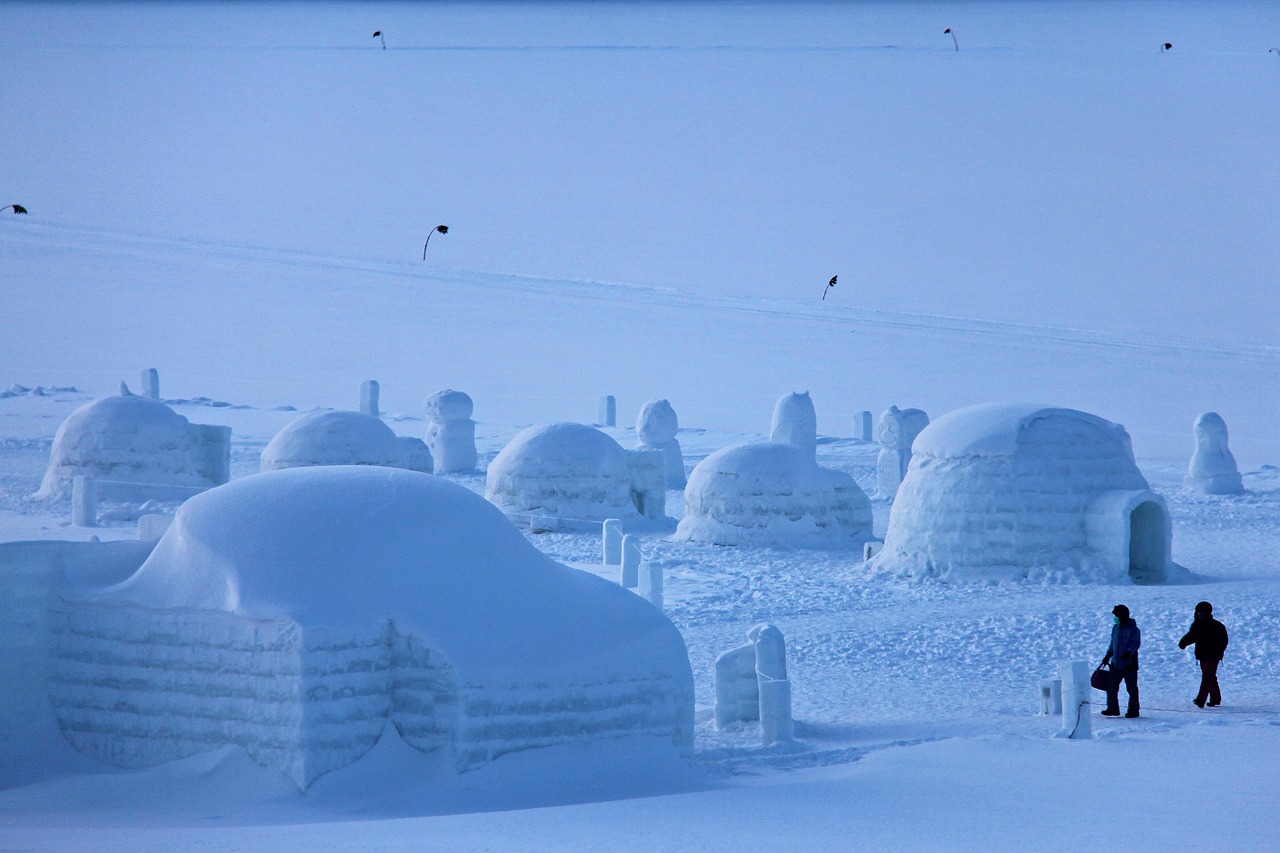
Do people still live in igloos? While igloos are no longer the common type of housing used by the Inuit, they remain culturally significant in Arctic communities. Igloos also retain practical value: some hunters and those seeking emergency shelter still use them.
The Inuit people, commonly known as Eskimos, lived in houses made of snow and ice, called igloos. Eskimos in contemporary times live mostly in houses, but igloos are still used during camping trips.
Igloos are primarily made from blocks of compacted snow and have been used as temporary shelters during hunting trips or during harsh winter months. However, it's essential to understand that not all Eskimo people live in igloos. Many Inuit have transitioned to modern housing due to changes in lifestyle, climate, and socio.
Igloo Community of igluit (Illustration from Charles Francis Hall 's Arctic Researches and Life Among the Esquimaux, 1865) An igloo (Inuit languages: iglu, [1] Inuktitut syllabics ᐃᒡᓗ [iɣˈlu]; plural: igluit ᐃᒡᓗᐃᑦ [iɣluˈit]), also known as a snow house or snow hut, is a type of shelter built of suitable snow.
Eskimo Igloo Stock Photos & Eskimo Igloo Stock Images - Alamy
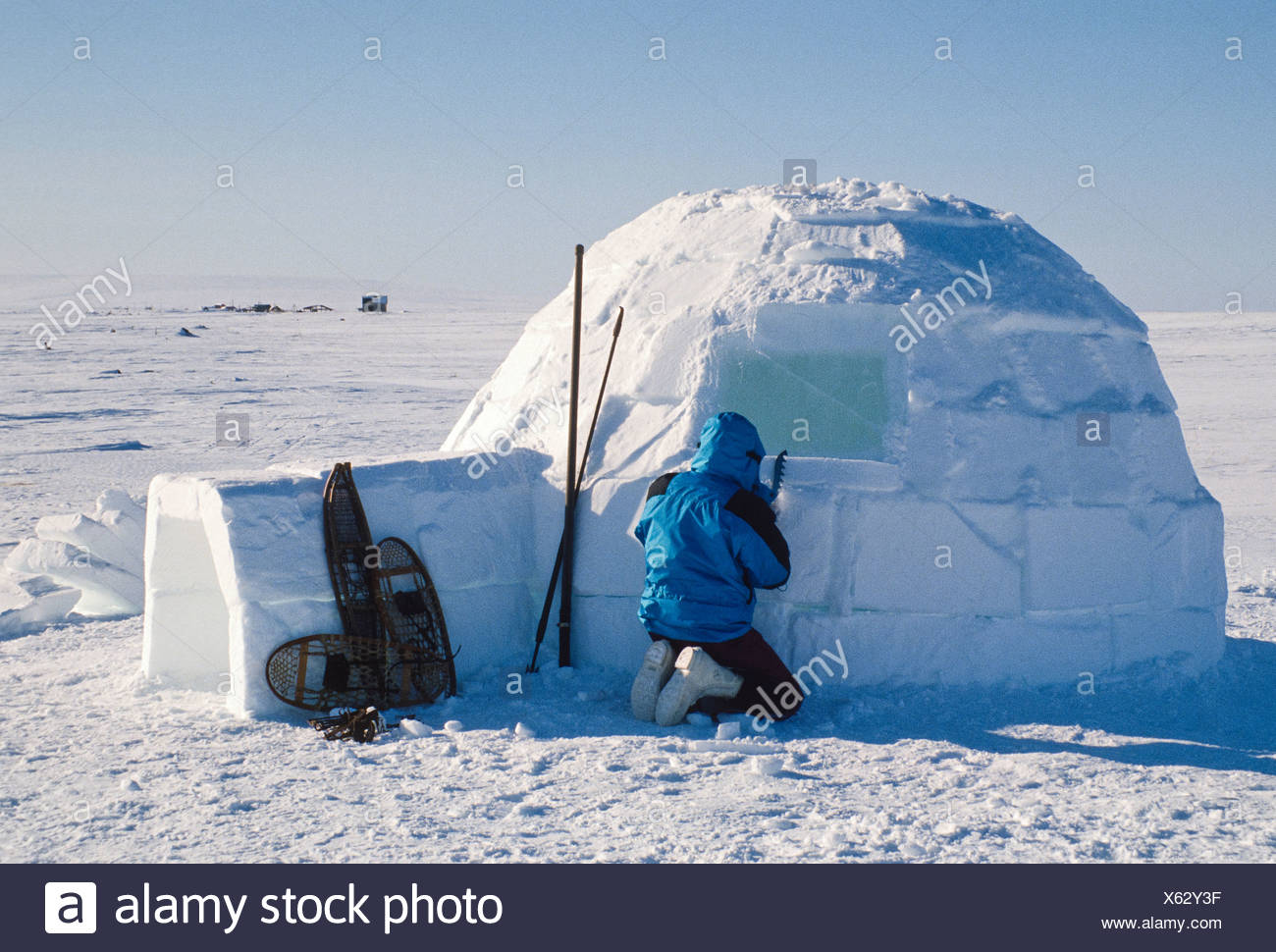
The Inuit people, commonly known as Eskimos, lived in houses made of snow and ice, called igloos. Eskimos in contemporary times live mostly in houses, but igloos are still used during camping trips.
Igloos are primarily made from blocks of compacted snow and have been used as temporary shelters during hunting trips or during harsh winter months. However, it's essential to understand that not all Eskimo people live in igloos. Many Inuit have transitioned to modern housing due to changes in lifestyle, climate, and socio.
Igloo Community of igluit (Illustration from Charles Francis Hall 's Arctic Researches and Life Among the Esquimaux, 1865) An igloo (Inuit languages: iglu, [1] Inuktitut syllabics ᐃᒡᓗ [iɣˈlu]; plural: igluit ᐃᒡᓗᐃᑦ [iɣluˈit]), also known as a snow house or snow hut, is a type of shelter built of suitable snow.
Do people still live in igloos? While igloos are no longer the common type of housing used by the Inuit, they remain culturally significant in Arctic communities. Igloos also retain practical value: some hunters and those seeking emergency shelter still use them.
Tatigat,an Inuk, Pulls Aside The Snow Brick Over The Igloo Door At Dusk. Igloolik. Nunavut ...

Igloo, temporary winter home or hunting-ground dwelling of Canadian and Greenland Inuit (Eskimos). The term igloo, or iglu, from Eskimo igdlu ("house"), is related to Iglulik, a town, and Iglulirmiut, an Inuit people, both on an island of the same name. The igloo, usually made from blocks of snow.
Do people still live in igloos? While igloos are no longer the common type of housing used by the Inuit, they remain culturally significant in Arctic communities. Igloos also retain practical value: some hunters and those seeking emergency shelter still use them.
The Inuit people, commonly known as Eskimos, lived in houses made of snow and ice, called igloos. Eskimos in contemporary times live mostly in houses, but igloos are still used during camping trips.
Igloo (iglu in Inuktitut, meaning "house"), is a winter dwelling made of snow. Historically, Inuit across the Arctic lived in igloos before the introduction of modern, European-style homes. While igloos are no longer the common type of housing used by the Inuit, they remain culturally significant in Arctic communities.
Eskimo Igloo High Resolution Stock Photography And Images - Alamy
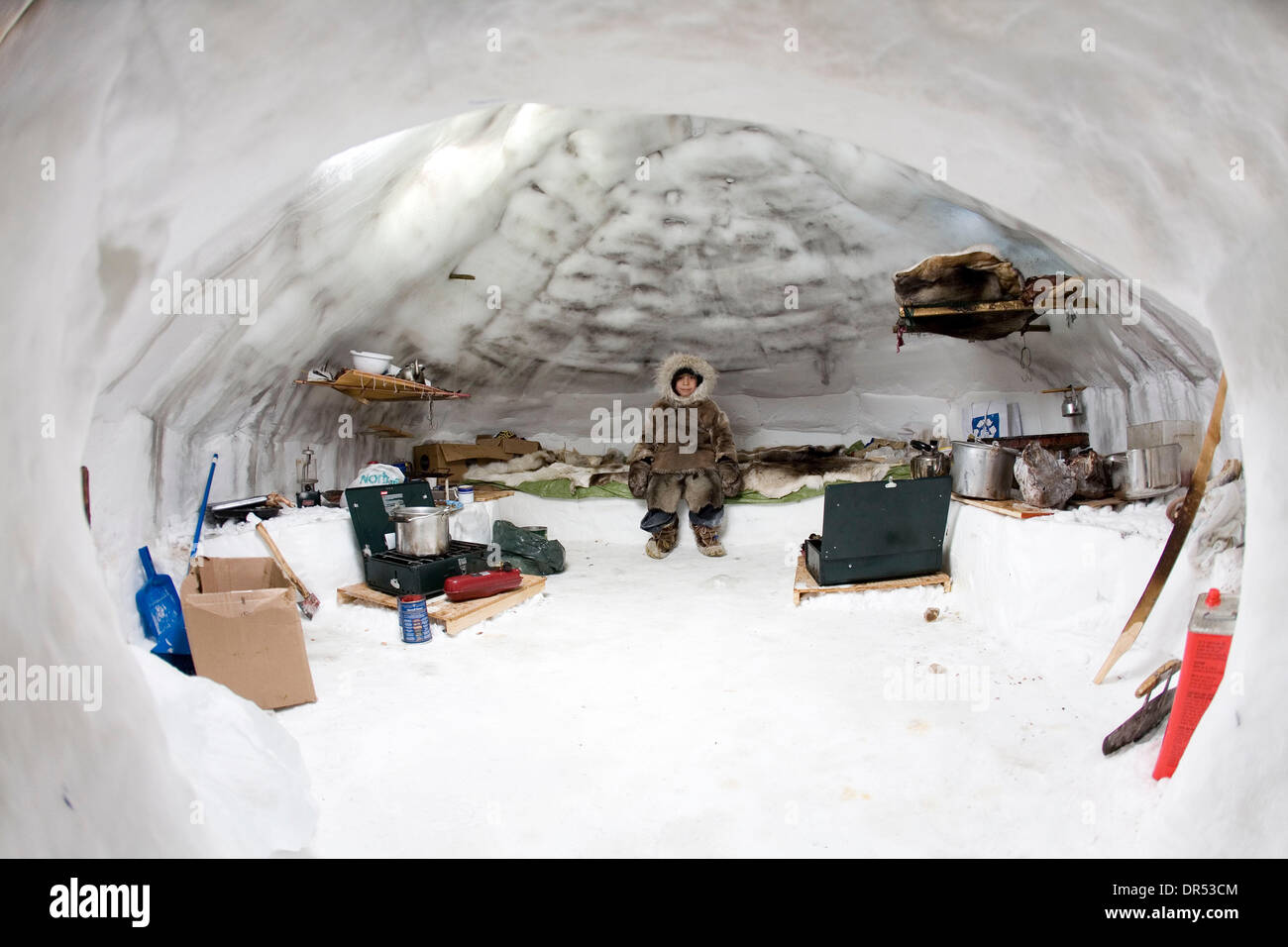
Are there Eskimos that still live in igloos? While a common myth, Eskimos do not live in igloos. Igloos are used as temporary places during hunting and fishing excursions. Most Eskimos live in traditional houses.
Igloo Community of igluit (Illustration from Charles Francis Hall 's Arctic Researches and Life Among the Esquimaux, 1865) An igloo (Inuit languages: iglu, [1] Inuktitut syllabics ᐃᒡᓗ [iɣˈlu]; plural: igluit ᐃᒡᓗᐃᑦ [iɣluˈit]), also known as a snow house or snow hut, is a type of shelter built of suitable snow.
Igloo, temporary winter home or hunting-ground dwelling of Canadian and Greenland Inuit (Eskimos). The term igloo, or iglu, from Eskimo igdlu ("house"), is related to Iglulik, a town, and Iglulirmiut, an Inuit people, both on an island of the same name. The igloo, usually made from blocks of snow.
Conclusion In conclusion, while Eskimos no longer exclusively live in igloos, these traditional snow shelters remain culturally significant and practical in the Arctic. Igloos are deeply rooted in Eskimo culture and continue to be celebrated and utilized in various ways.
Eskimo Igloo
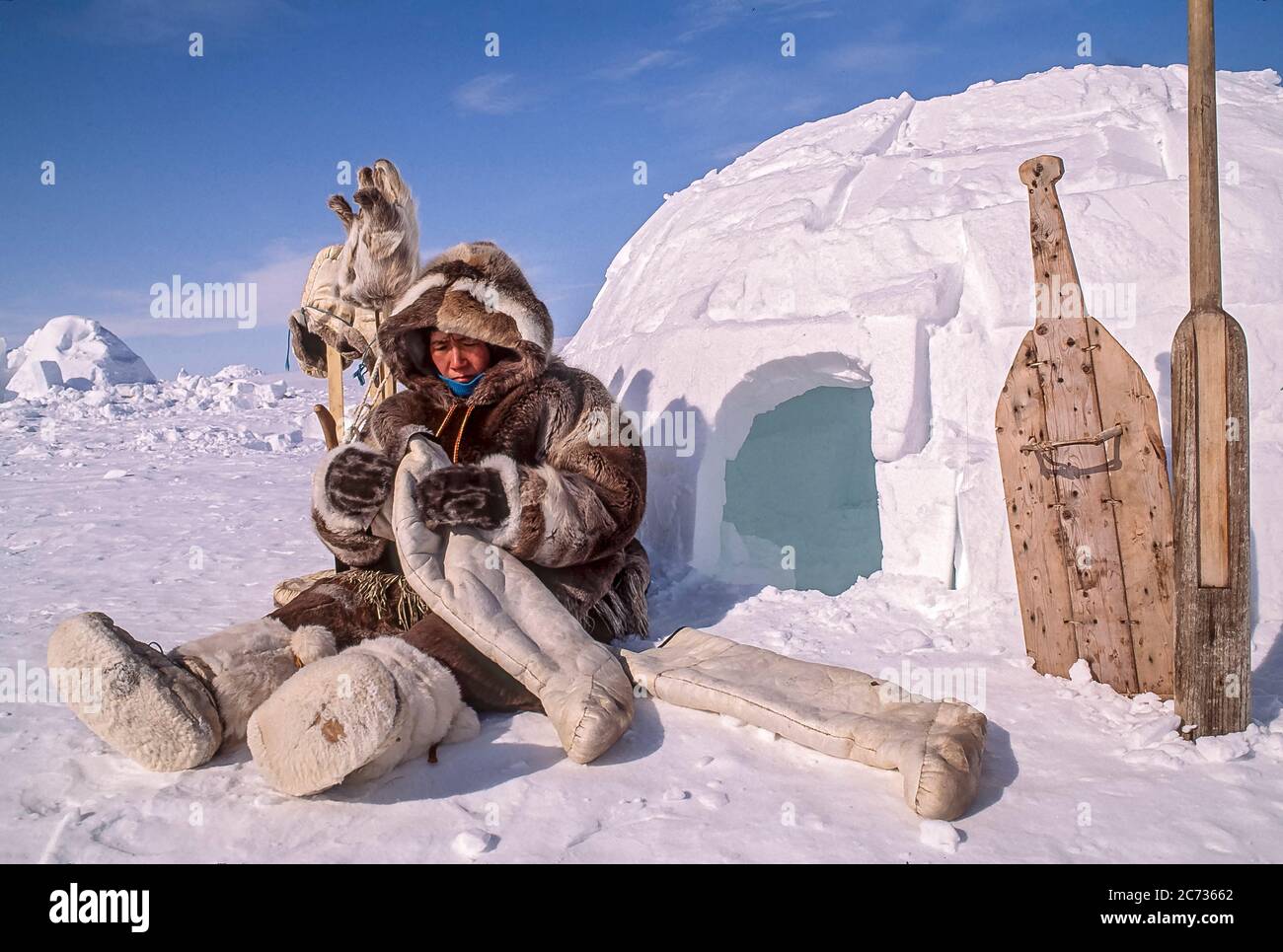
The Inuit people, commonly known as Eskimos, lived in houses made of snow and ice, called igloos. Eskimos in contemporary times live mostly in houses, but igloos are still used during camping trips.
Most Eskimos Don't Live in Igloos The igloo is the most common symbol identified with Eskimos, yet most Eskimos don't live in what most people think an igloo is. Igloo is simply the Eskimo word for "house." So, technically, most eskimos DO live in igloos, as they define them, but not as most people think of them.
Igloo (iglu in Inuktitut, meaning "house"), is a winter dwelling made of snow. Historically, Inuit across the Arctic lived in igloos before the introduction of modern, European-style homes. While igloos are no longer the common type of housing used by the Inuit, they remain culturally significant in Arctic communities.
Conclusion In conclusion, while Eskimos no longer exclusively live in igloos, these traditional snow shelters remain culturally significant and practical in the Arctic. Igloos are deeply rooted in Eskimo culture and continue to be celebrated and utilized in various ways.
Do Eskimos Live In Igloos

Do people still live in igloos? While igloos are no longer the common type of housing used by the Inuit, they remain culturally significant in Arctic communities. Igloos also retain practical value: some hunters and those seeking emergency shelter still use them.
Igloo Community of igluit (Illustration from Charles Francis Hall 's Arctic Researches and Life Among the Esquimaux, 1865) An igloo (Inuit languages: iglu, [1] Inuktitut syllabics ᐃᒡᓗ [iɣˈlu]; plural: igluit ᐃᒡᓗᐃᑦ [iɣluˈit]), also known as a snow house or snow hut, is a type of shelter built of suitable snow.
Are there Eskimos that still live in igloos? While a common myth, Eskimos do not live in igloos. Igloos are used as temporary places during hunting and fishing excursions. Most Eskimos live in traditional houses.
The Inuit people, commonly known as Eskimos, lived in houses made of snow and ice, called igloos. Eskimos in contemporary times live mostly in houses, but igloos are still used during camping trips.
Eskimos - Crystalinks
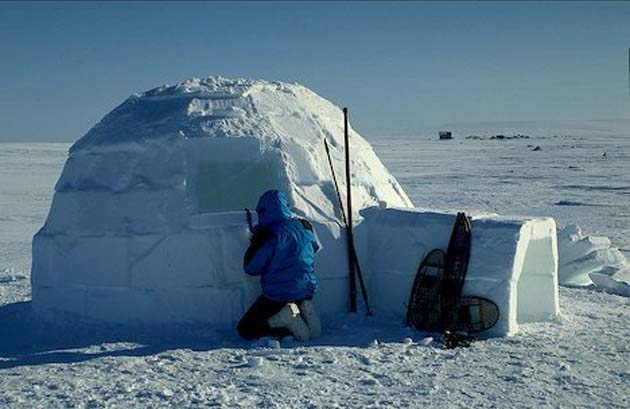
Igloo Community of igluit (Illustration from Charles Francis Hall 's Arctic Researches and Life Among the Esquimaux, 1865) An igloo (Inuit languages: iglu, [1] Inuktitut syllabics ᐃᒡᓗ [iɣˈlu]; plural: igluit ᐃᒡᓗᐃᑦ [iɣluˈit]), also known as a snow house or snow hut, is a type of shelter built of suitable snow.
Are there Eskimos that still live in igloos? While a common myth, Eskimos do not live in igloos. Igloos are used as temporary places during hunting and fishing excursions. Most Eskimos live in traditional houses.
Igloos are primarily made from blocks of compacted snow and have been used as temporary shelters during hunting trips or during harsh winter months. However, it's essential to understand that not all Eskimo people live in igloos. Many Inuit have transitioned to modern housing due to changes in lifestyle, climate, and socio.
When you think of Eskimos, you might picture snow igloos, fur-lined parkas, and dog sleds. But there's so much more to their culture, history, and way of life than meets the eye. Let's dive into 14 incredible facts about Eskimos that will leave you amazed-and maybe even inspire your next trivia night!
Inuit Homes Igloos
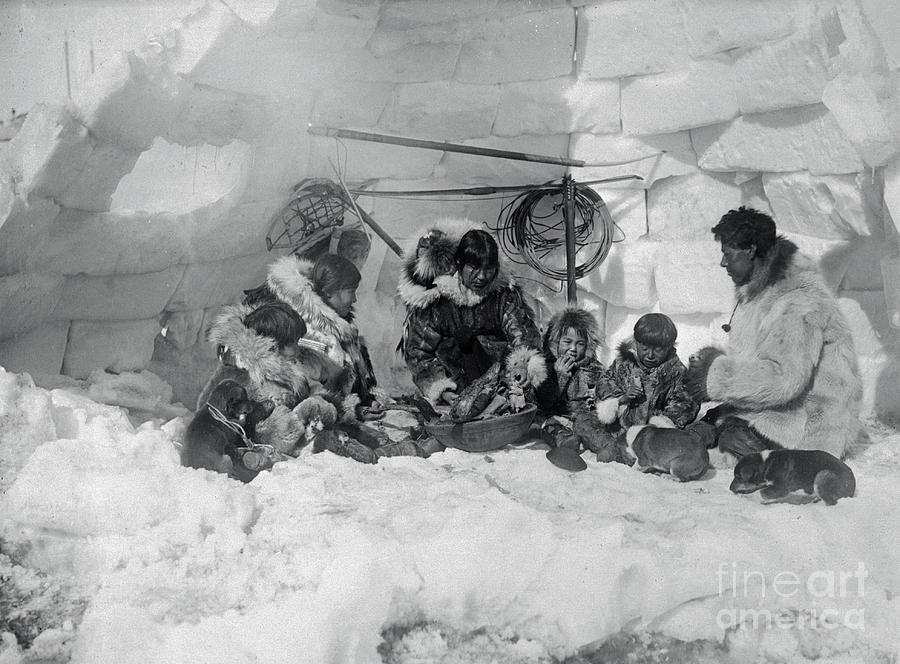
When you think of Eskimos, you might picture snow igloos, fur-lined parkas, and dog sleds. But there's so much more to their culture, history, and way of life than meets the eye. Let's dive into 14 incredible facts about Eskimos that will leave you amazed-and maybe even inspire your next trivia night!
Igloo, temporary winter home or hunting-ground dwelling of Canadian and Greenland Inuit (Eskimos). The term igloo, or iglu, from Eskimo igdlu ("house"), is related to Iglulik, a town, and Iglulirmiut, an Inuit people, both on an island of the same name. The igloo, usually made from blocks of snow.
Do people still live in igloos? While igloos are no longer the common type of housing used by the Inuit, they remain culturally significant in Arctic communities. Igloos also retain practical value: some hunters and those seeking emergency shelter still use them.
Are there Eskimos that still live in igloos? While a common myth, Eskimos do not live in igloos. Igloos are used as temporary places during hunting and fishing excursions. Most Eskimos live in traditional houses.
Did Eskimos Live In Igloos
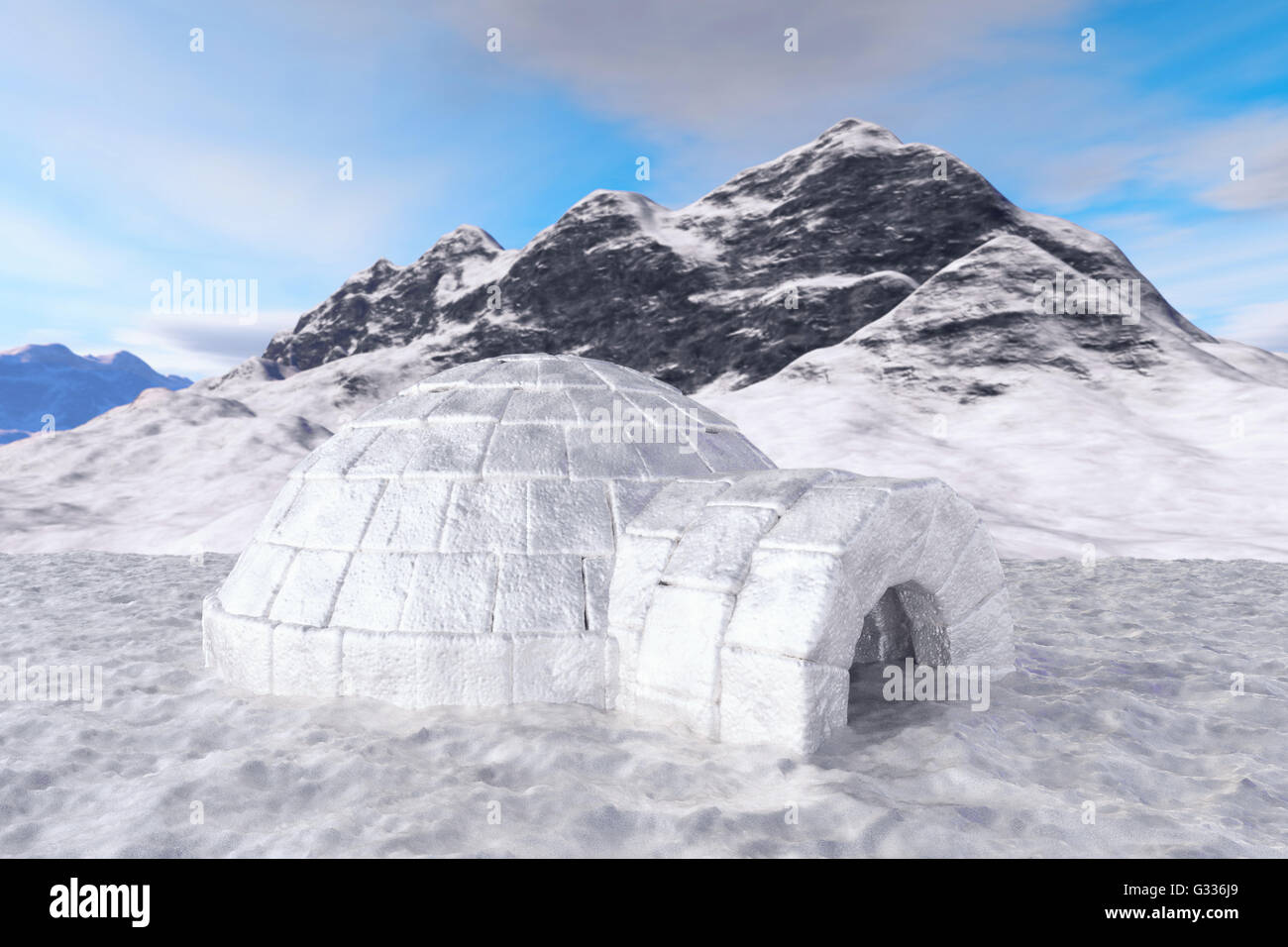
Do people still live in igloos? While igloos are no longer the common type of housing used by the Inuit, they remain culturally significant in Arctic communities. Igloos also retain practical value: some hunters and those seeking emergency shelter still use them.
Conclusion In conclusion, while Eskimos no longer exclusively live in igloos, these traditional snow shelters remain culturally significant and practical in the Arctic. Igloos are deeply rooted in Eskimo culture and continue to be celebrated and utilized in various ways.
The Inuit people, commonly known as Eskimos, lived in houses made of snow and ice, called igloos. Eskimos in contemporary times live mostly in houses, but igloos are still used during camping trips.
Igloos are primarily made from blocks of compacted snow and have been used as temporary shelters during hunting trips or during harsh winter months. However, it's essential to understand that not all Eskimo people live in igloos. Many Inuit have transitioned to modern housing due to changes in lifestyle, climate, and socio.
Inuit Igloos
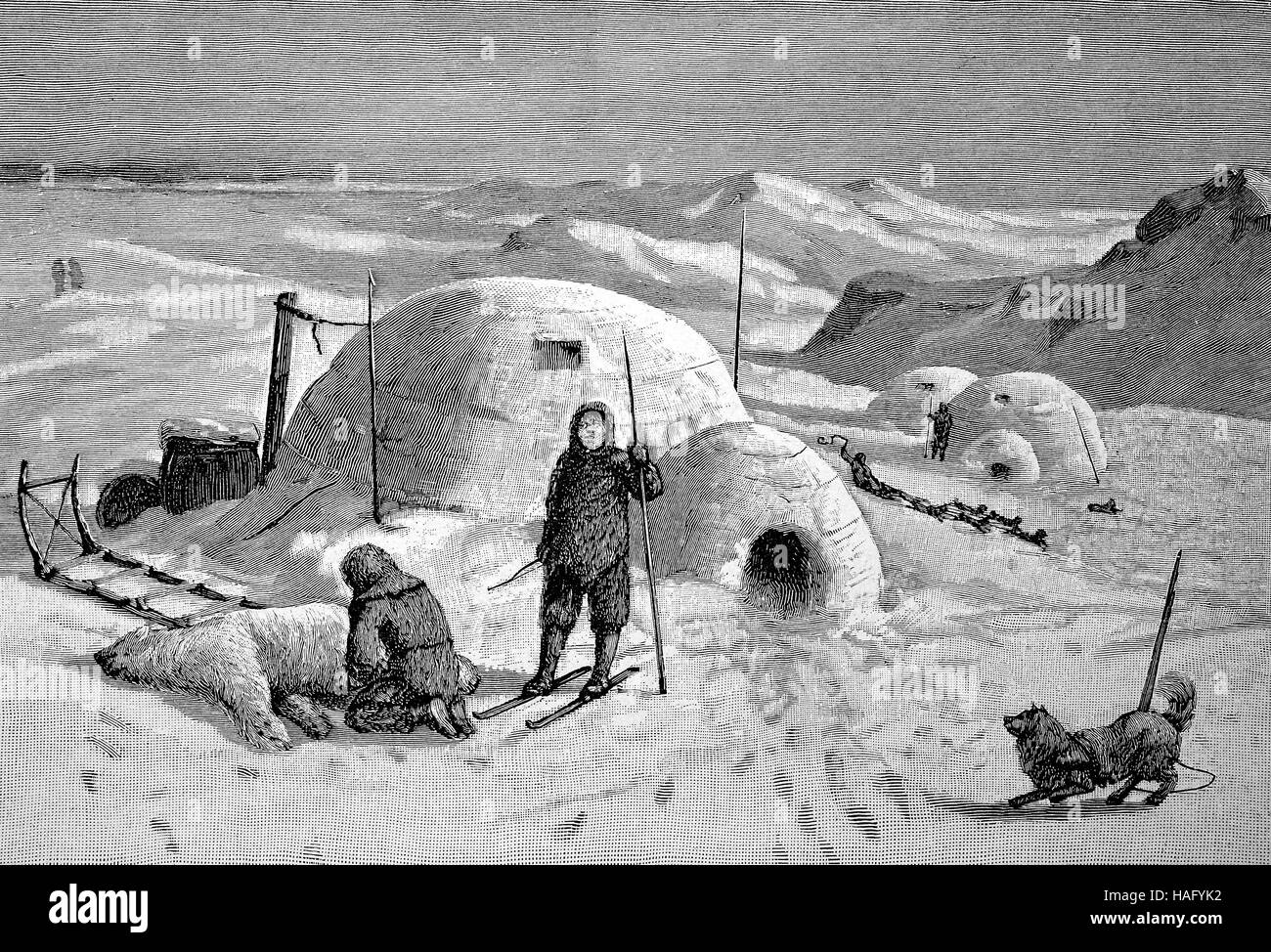
Igloo, temporary winter home or hunting-ground dwelling of Canadian and Greenland Inuit (Eskimos). The term igloo, or iglu, from Eskimo igdlu ("house"), is related to Iglulik, a town, and Iglulirmiut, an Inuit people, both on an island of the same name. The igloo, usually made from blocks of snow.
Most Eskimos Don't Live in Igloos The igloo is the most common symbol identified with Eskimos, yet most Eskimos don't live in what most people think an igloo is. Igloo is simply the Eskimo word for "house." So, technically, most eskimos DO live in igloos, as they define them, but not as most people think of them.
Conclusion In conclusion, while Eskimos no longer exclusively live in igloos, these traditional snow shelters remain culturally significant and practical in the Arctic. Igloos are deeply rooted in Eskimo culture and continue to be celebrated and utilized in various ways.
Igloos are primarily made from blocks of compacted snow and have been used as temporary shelters during hunting trips or during harsh winter months. However, it's essential to understand that not all Eskimo people live in igloos. Many Inuit have transitioned to modern housing due to changes in lifestyle, climate, and socio.
Inuit Homes Igloos
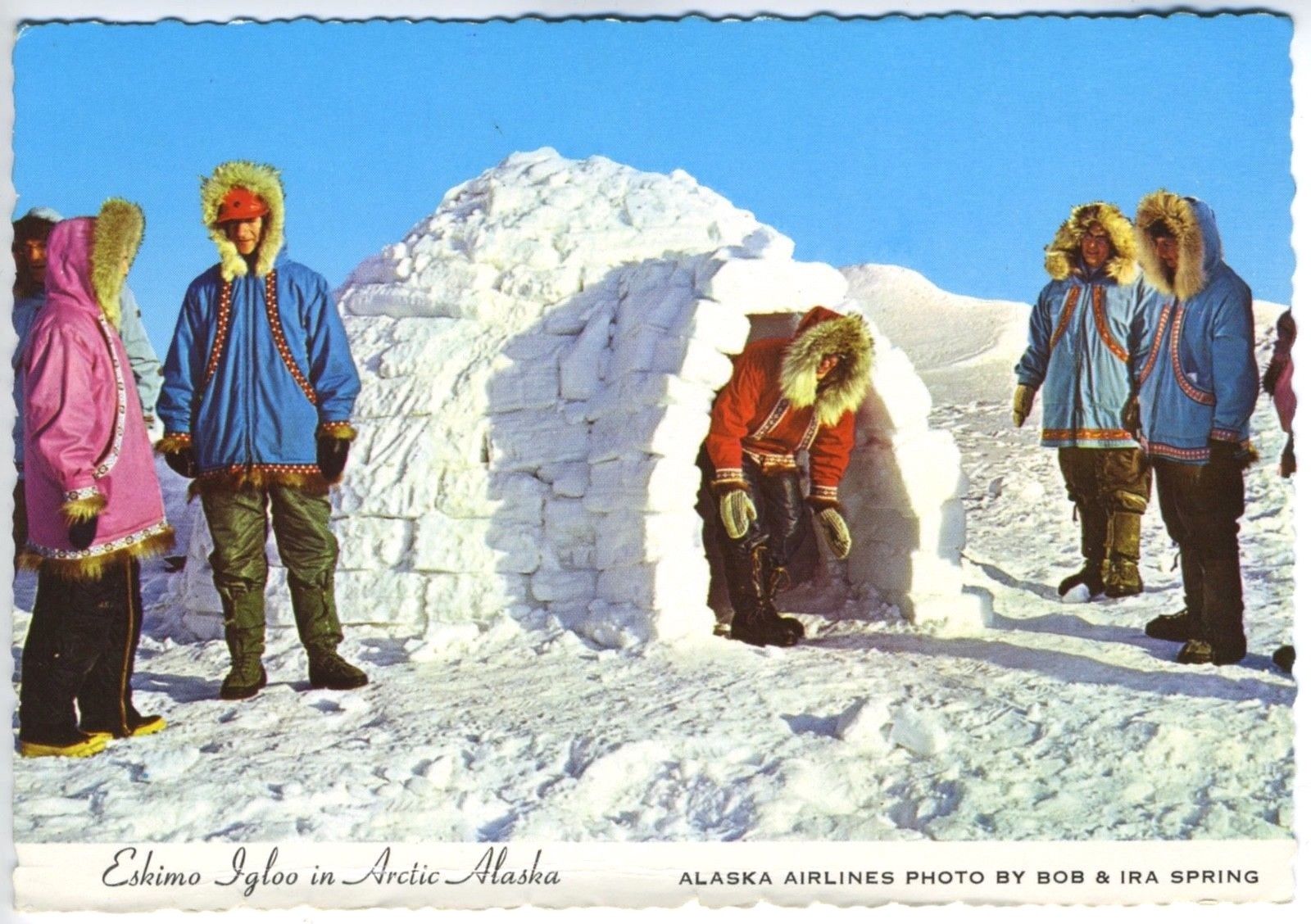
The Inuit people, commonly known as Eskimos, lived in houses made of snow and ice, called igloos. Eskimos in contemporary times live mostly in houses, but igloos are still used during camping trips.
Igloo Community of igluit (Illustration from Charles Francis Hall 's Arctic Researches and Life Among the Esquimaux, 1865) An igloo (Inuit languages: iglu, [1] Inuktitut syllabics ᐃᒡᓗ [iɣˈlu]; plural: igluit ᐃᒡᓗᐃᑦ [iɣluˈit]), also known as a snow house or snow hut, is a type of shelter built of suitable snow.
Igloo (iglu in Inuktitut, meaning "house"), is a winter dwelling made of snow. Historically, Inuit across the Arctic lived in igloos before the introduction of modern, European-style homes. While igloos are no longer the common type of housing used by the Inuit, they remain culturally significant in Arctic communities.
When you think of Eskimos, you might picture snow igloos, fur-lined parkas, and dog sleds. But there's so much more to their culture, history, and way of life than meets the eye. Let's dive into 14 incredible facts about Eskimos that will leave you amazed-and maybe even inspire your next trivia night!
Igloo By Eskimo
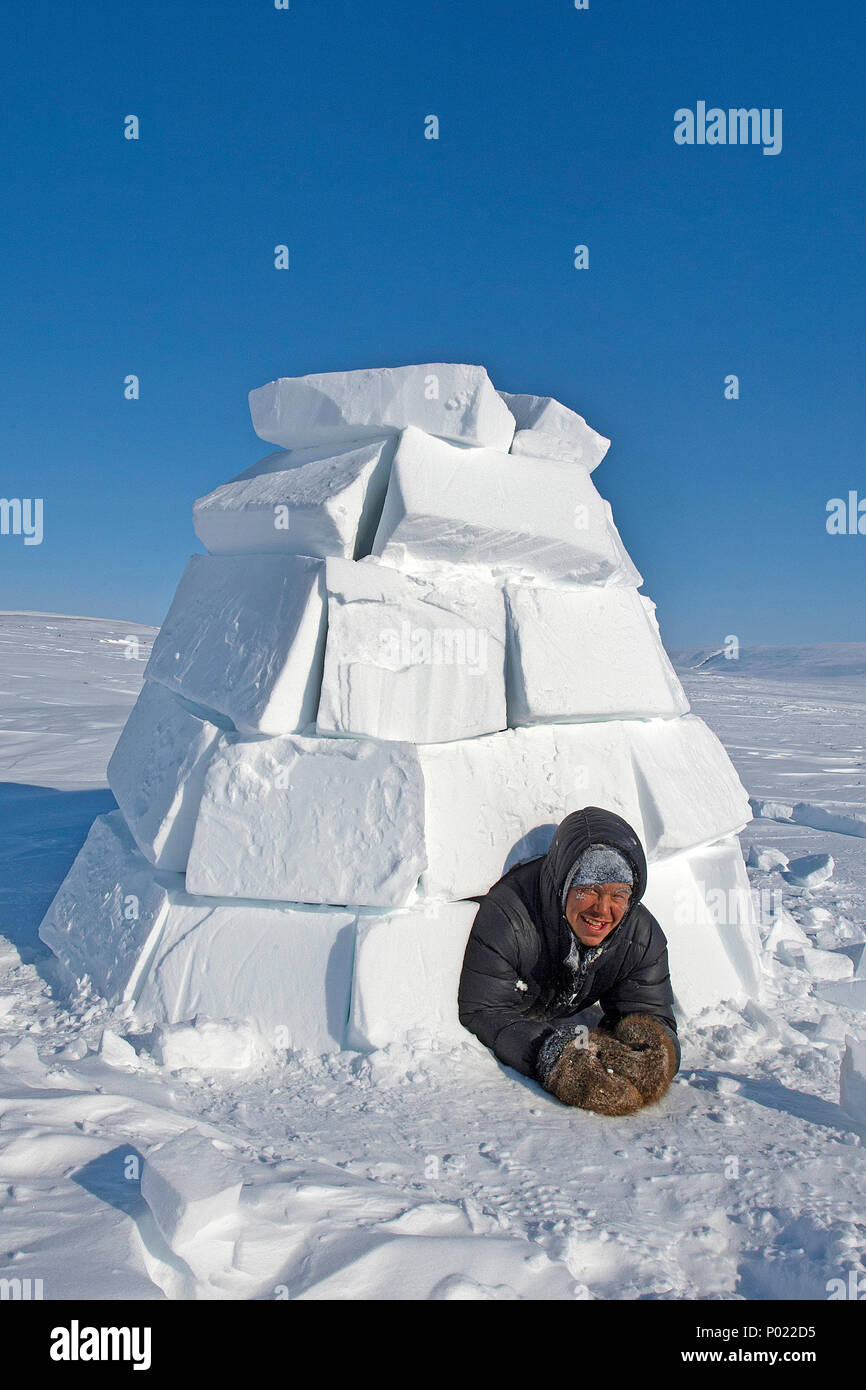
When you think of Eskimos, you might picture snow igloos, fur-lined parkas, and dog sleds. But there's so much more to their culture, history, and way of life than meets the eye. Let's dive into 14 incredible facts about Eskimos that will leave you amazed-and maybe even inspire your next trivia night!
Igloos are primarily made from blocks of compacted snow and have been used as temporary shelters during hunting trips or during harsh winter months. However, it's essential to understand that not all Eskimo people live in igloos. Many Inuit have transitioned to modern housing due to changes in lifestyle, climate, and socio.
Conclusion In conclusion, while Eskimos no longer exclusively live in igloos, these traditional snow shelters remain culturally significant and practical in the Arctic. Igloos are deeply rooted in Eskimo culture and continue to be celebrated and utilized in various ways.
Igloo (iglu in Inuktitut, meaning "house"), is a winter dwelling made of snow. Historically, Inuit across the Arctic lived in igloos before the introduction of modern, European-style homes. While igloos are no longer the common type of housing used by the Inuit, they remain culturally significant in Arctic communities.
Inuit Igloo Hi-res Stock Photography And Images - Alamy
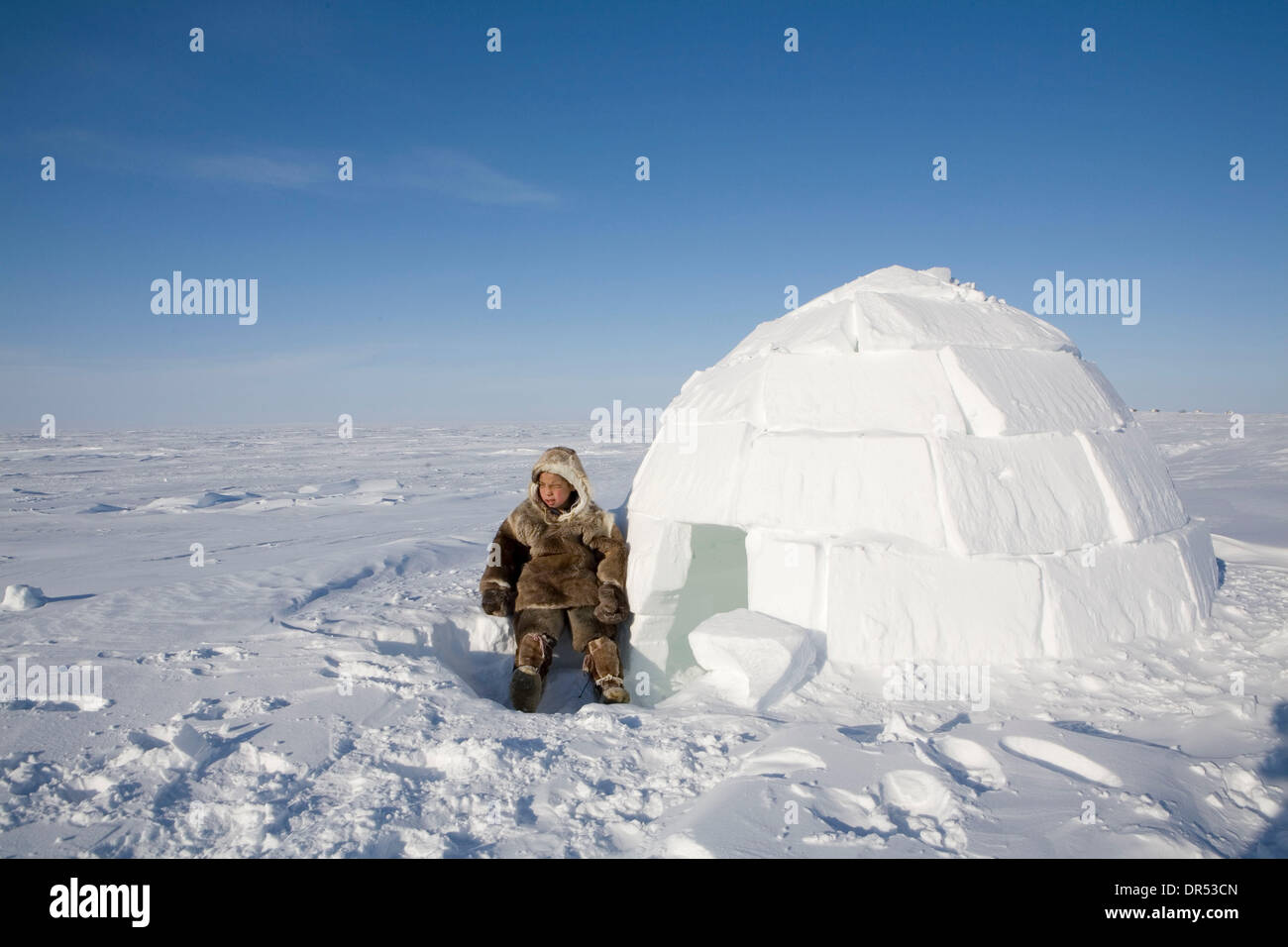
The Inuit people, commonly known as Eskimos, lived in houses made of snow and ice, called igloos. Eskimos in contemporary times live mostly in houses, but igloos are still used during camping trips.
Igloos are primarily made from blocks of compacted snow and have been used as temporary shelters during hunting trips or during harsh winter months. However, it's essential to understand that not all Eskimo people live in igloos. Many Inuit have transitioned to modern housing due to changes in lifestyle, climate, and socio.
Do people still live in igloos? While igloos are no longer the common type of housing used by the Inuit, they remain culturally significant in Arctic communities. Igloos also retain practical value: some hunters and those seeking emergency shelter still use them.
Are there Eskimos that still live in igloos? While a common myth, Eskimos do not live in igloos. Igloos are used as temporary places during hunting and fishing excursions. Most Eskimos live in traditional houses.
Igloos are primarily made from blocks of compacted snow and have been used as temporary shelters during hunting trips or during harsh winter months. However, it's essential to understand that not all Eskimo people live in igloos. Many Inuit have transitioned to modern housing due to changes in lifestyle, climate, and socio.
Conclusion In conclusion, while Eskimos no longer exclusively live in igloos, these traditional snow shelters remain culturally significant and practical in the Arctic. Igloos are deeply rooted in Eskimo culture and continue to be celebrated and utilized in various ways.
Igloo, temporary winter home or hunting-ground dwelling of Canadian and Greenland Inuit (Eskimos). The term igloo, or iglu, from Eskimo igdlu ("house"), is related to Iglulik, a town, and Iglulirmiut, an Inuit people, both on an island of the same name. The igloo, usually made from blocks of snow.
Igloo Community of igluit (Illustration from Charles Francis Hall 's Arctic Researches and Life Among the Esquimaux, 1865) An igloo (Inuit languages: iglu, [1] Inuktitut syllabics ᐃᒡᓗ [iɣˈlu]; plural: igluit ᐃᒡᓗᐃᑦ [iɣluˈit]), also known as a snow house or snow hut, is a type of shelter built of suitable snow.
Igloo (iglu in Inuktitut, meaning "house"), is a winter dwelling made of snow. Historically, Inuit across the Arctic lived in igloos before the introduction of modern, European-style homes. While igloos are no longer the common type of housing used by the Inuit, they remain culturally significant in Arctic communities.
Do people still live in igloos? While igloos are no longer the common type of housing used by the Inuit, they remain culturally significant in Arctic communities. Igloos also retain practical value: some hunters and those seeking emergency shelter still use them.
Most Eskimos Don't Live in Igloos The igloo is the most common symbol identified with Eskimos, yet most Eskimos don't live in what most people think an igloo is. Igloo is simply the Eskimo word for "house." So, technically, most eskimos DO live in igloos, as they define them, but not as most people think of them.
The Inuit people, commonly known as Eskimos, lived in houses made of snow and ice, called igloos. Eskimos in contemporary times live mostly in houses, but igloos are still used during camping trips.
Are there Eskimos that still live in igloos? While a common myth, Eskimos do not live in igloos. Igloos are used as temporary places during hunting and fishing excursions. Most Eskimos live in traditional houses.
When you think of Eskimos, you might picture snow igloos, fur-lined parkas, and dog sleds. But there's so much more to their culture, history, and way of life than meets the eye. Let's dive into 14 incredible facts about Eskimos that will leave you amazed-and maybe even inspire your next trivia night!